

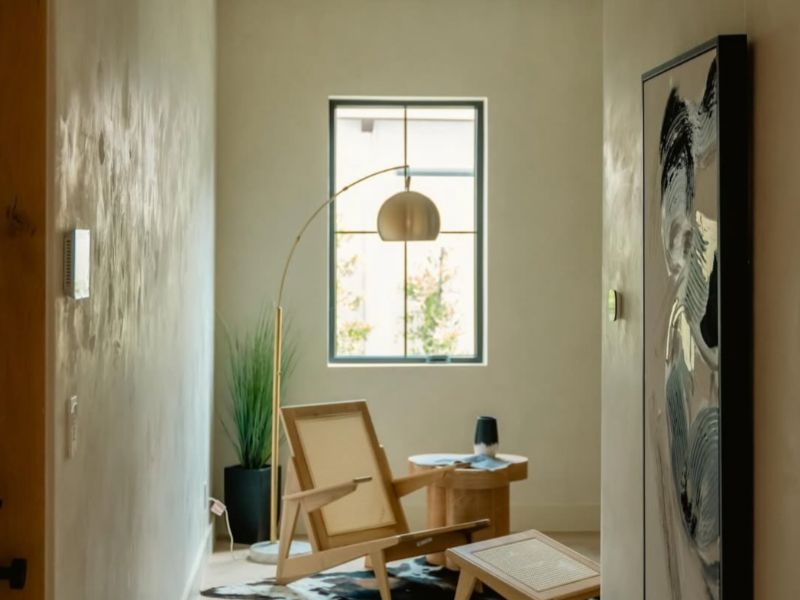
When designing a space, most people focus on choosing the perfect color, but overlook the one thing that will define how that color actually appears:
Lighting.
The best lighting for textured walls enhances movement, depth, texture, and color variation in finishes like Venetian plaster, Lime Wash, and Microcement.
And when it comes to limewashed walls and Venetian plaster, lighting doesn’t just affect color, it completely transforms movement, depth, and texture.
Unlike traditional paint, these finishes are fluid, meaning they naturally shift throughout the day, responding to changes in both natural and artificial light. Understanding this interaction is the key to creating a space that feels intentional, sophisticated, relaxing, or dramatic.
The application of the products will definitely impact the finish, but the overall aesthetic, color, and energy of a room can dramatically shift with the right, or wrong, lighting.
With Lime Wash and Venetian plaster, you’re not just choosing a color, you’re designing an experience. And light is what brings that experience to life.
The right lighting reveals movement. The wrong lighting erases it.
Why Venetian Plaster and Lime Wash Change With Light
Flat paint reflects light evenly, which makes color feel consistent. However, mineral finishes like Venetian plaster and Lime Wash are:
- Layered
- Burnished or textured
- Natural color variation
This means light doesn’t just bounce off the surface, it moves across it.
What is “movement” in plaster finishes?
Movement is created by the applicator with various artistic techniques, and refers to:
- Subtle tonal variation
- Light and dark areas within the same color
- A soft, cloud-like or marbleized effect
Yet that movement is only as visible as the lighting allows it to be.
How Daylight Changes Affect Color and Texture
Natural light is the most dynamic – and most flattering – light source for all mineral finishes, from Lime Wash to Venetian plaster, but it changes throughout the day, impacting both color and textural tones.
The following guide explains how the changes in daylight affect color and texture:
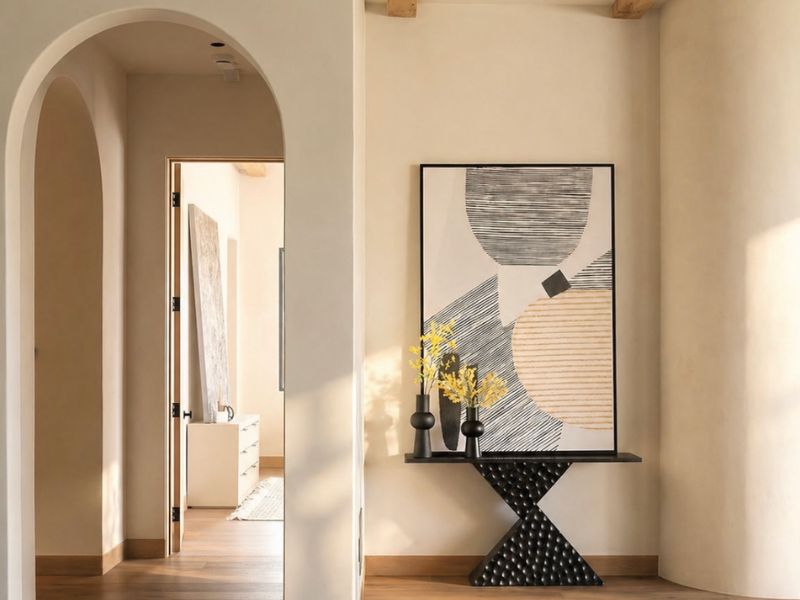
Morning Light (Cool & Soft)
- Movement appears gentle and understated
- Cooler tones are slightly enhanced
- Venetian plaster looks smoother and more matte
This is when texture feels quiet and refined.
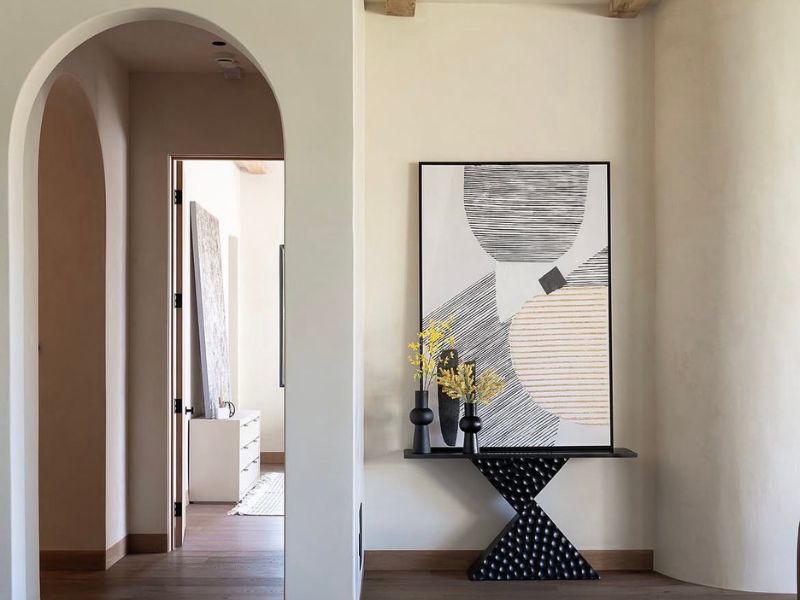
Midday Light (Bright & Neutral)
- Movement becomes more visible and defined
- True color is most accurate
- Burnished Venetian plaster reflects more light, increasing depth
This is the best time to evaluate your finish objectively.
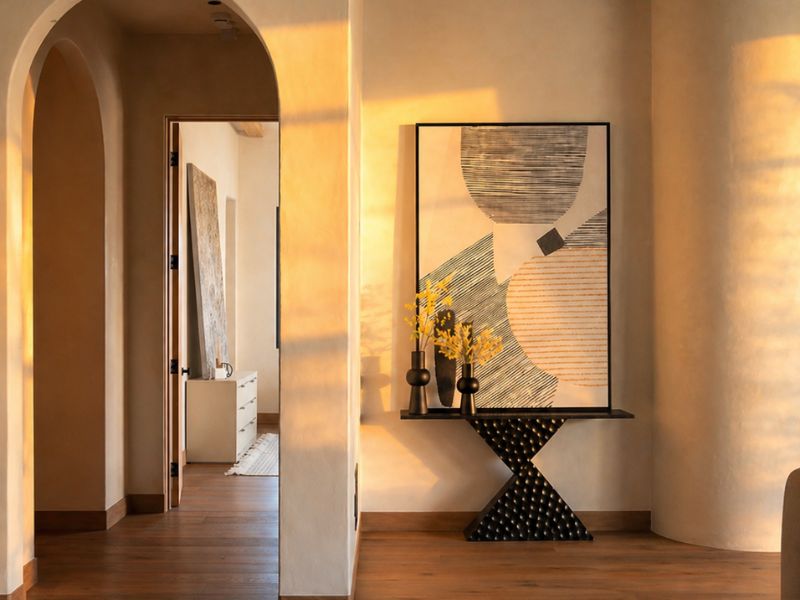
Golden Hour (Warm & Directional)
Just before sunset, light becomes warmer and more angled, often called the Golden Hour, because everything the light touches seems to take on a golden tone.
- Movement becomes rich, dramatic, and dimensional
- Warm undertones are amplified
- Lime wash develops a glowing, layered effect
This is when plaster finishes look their most luxurious.
Evening & Twilight
- Natural light fades
- Movement softens
- Texture becomes moodier and less pronounced
At this point, artificial lighting takes over, and can either enhance or completely flatten your finish.
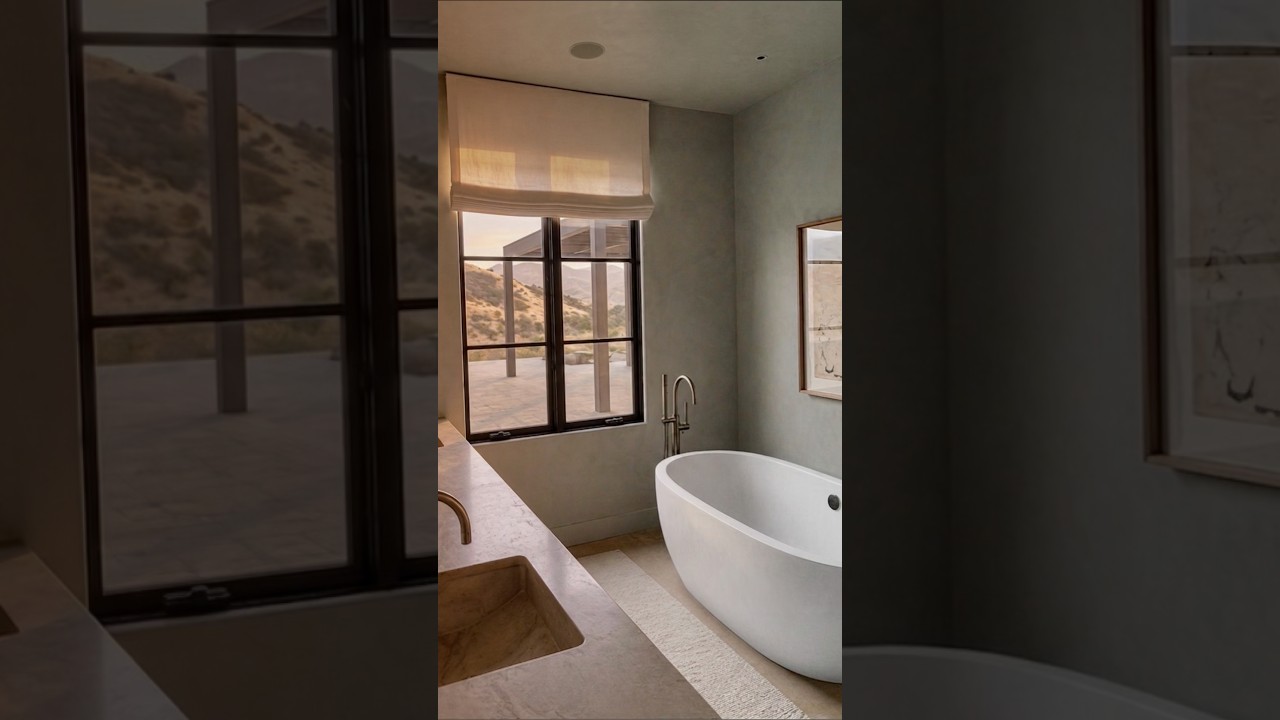

Artificial Lighting: How Different Types of Light Affect Color and Texture
Not all lighting is created equal, especially when it comes to textured finishes.
Lighting That Maximizes Movement (Best Choice)
Directional + Warm to Neutral Light (2700K–3500K)
- Creates soft shadows across the surface
- Enhances highs and lows in the plaster
- Brings out depth, variation, and artistry
Best fixtures:
- Wall sconces
- Angled recessed lights
- Accent lighting
Why it works: Movement is created by contrast. Directional light creates shadow, which reveals texture.
Lighting That Softens (But Still Shows) Movement
Neutral Ambient Light (3500K–4100K)
- Provides balanced illumination
- Maintains color accuracy
- Shows movement without exaggerating it
Ideal for kitchens and open spaces where clarity matters.
Lighting That Washes Out Movement (Avoid This)
Cool, High-Intensity, Overhead Lighting (5000K–6500K)
- Flattens tonal variation
- Reduces warmth in lime-based finishes
- Makes Venetian plaster look more uniform and less dynamic
- Can feel harsh or overly clinical
Why this happens: Cool, bright light minimizes shadow and contrast, erasing the very thing that creates movement.
Why Light Strength (Lumens) Can Make or Break Your Finish
Even the right color temperature can fail if the brightness is off.
- Too bright: washes out texture and reduces depth
- Too dim: hides movement completely
The sweet spot:
Choose layered lighting with moderate lumens that allow shadows to exist.
Texture, like art, needs contrast – not floodlighting.
The Most Popular Light Bulb
The most commonly used bulb in both the US and Canada is the LED A19 (60W equivalent), especially in 2700K warm white.
What it does to your walls:
- Warms up neutrals and whites
- Softens plaster movement
- Creates a cozy, blended look
Great for ambiance, but it can slightly mute the full range of movement in Venetian plaster or limewashed walls.
The Best Light for True Color + Maximum Texture
If your goal is to see both accurate color AND movement, choose:
- 3000K–3500K bulbs
- High CRI (90+)
- Directional or layered lighting
This combination:
- Preserves warmth
- Enhances depth
- Reveals the craftsmanship of the finish
Warm vs Cool Lighting: Why It Matters More With Plaster
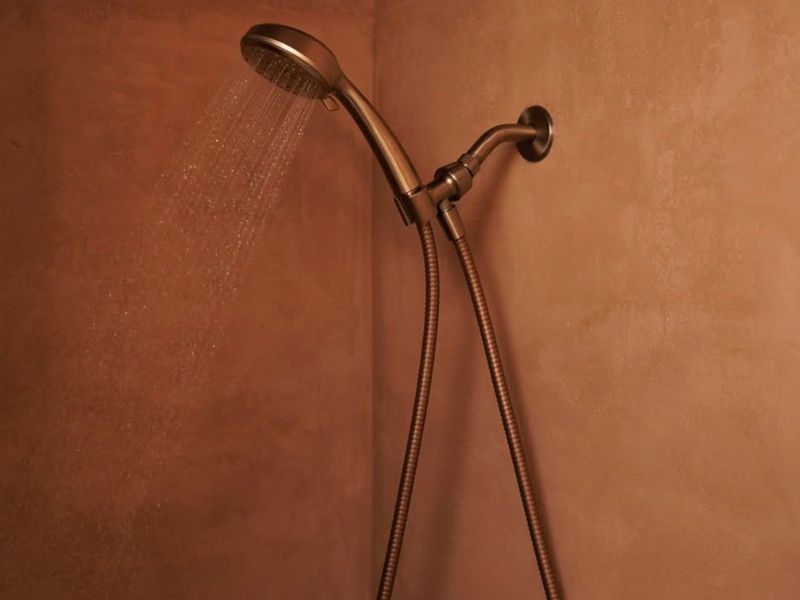
- Warm light (2700K–3000K): Enhances softness, warmth, and subtle movement
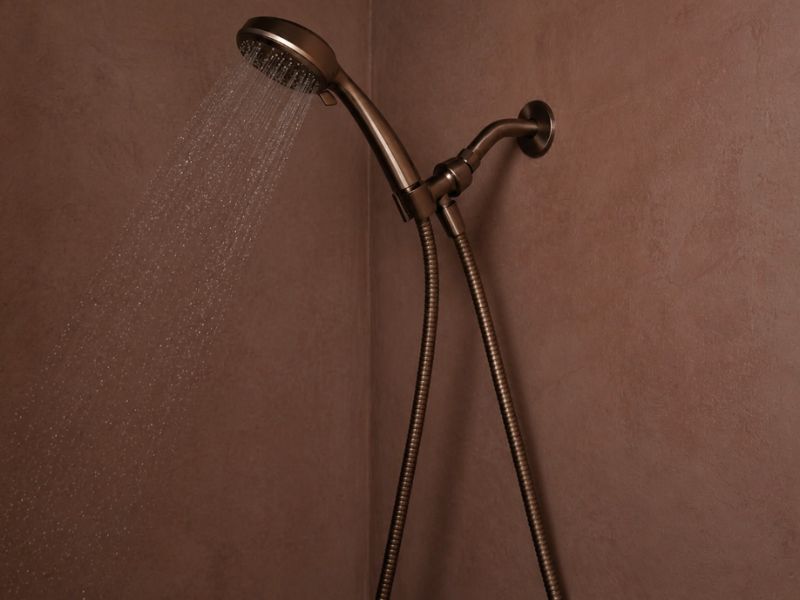
- Cool light (5000K+): Emphasizes brightness but reduces emotional warmth and depth
With lime-based finishes, warm light almost always creates a more natural, elevated look.
What Interior Designers Recommend
Most designers prioritize:
- Warm to soft-neutral lighting (2700K–3000K)
- High CRI bulbs for accurate color
- Layered lighting (ambient + accent + task)
But here’s the real pro tip if you don’t like how a room turns out:
It’s easier to change a light bulb than repaint your walls.
That’s why lighting should always be part of the design from the beginning, and not an afterthought.
Designer Tip: Use a Movable Sample Board
Instead of painting test swatches directly on the wall, professionals:
- Create a large sample board with the actual finish
- Move it around the room
- View it at different times of day
- Test it under different lighting conditions
Yes, you can order pre-made sample boards from Meoded in your desired color and finish. Just email us at info@meodedpaint.com and our Hollywood showroom team will help you.
Why this works better:
- Different walls get different light
- Texture reacts differently depending on angle
- Artificial lighting varies by fixture
This is the only way to truly understand how your finish will live in your space.
More Blogs to Checkout:
Lime Plaster and Venetian Plaster: The Powerful Textures Defining 2026
2026 Color of the Year Interior Trend: Warm Pink Plaster, Limewash & Clay Walls
Moroccan Clay: The Beginner-Friendly Matte DIY Plaster You’ve Been Waiting For
Top FAQs About the Best Lighting for Textured Walls
Q: Why do textured walls like Venetian plaster and Lime Wash look different throughout the day?
A: Textured wall finishes such as Venetian plaster and Lime Wash naturally react to changing light conditions throughout the day. Morning light creates softer, cooler tones, while evening and golden-hour lighting enhance warmth, depth, and movement. Because these mineral finishes contain layered texture and tonal variation, both natural and artificial lighting dramatically affect how the finish appears.
Q: What type of lighting makes textured walls and decorative finishes look flat?
A: Cool, bright overhead lighting in the 5000K–6500K range can flatten textured walls and reduce the natural movement found in decorative finishes. Excessively bright white lighting minimizes shadows and contrast, causing walls to appear more uniform and less dimensional.
Q: What is the best lighting for Venetian plaster walls?
A: The best lighting for Venetian plaster is warm-to-neutral directional lighting between 2700K and 3500K with a high CRI rating. Wall sconces, angled recessed lights, and layered accent lighting help reveal the depth, burnish, texture, and movement that make Venetian plaster finishes visually dynamic.
Q: Does warm lighting work better with Lime Wash walls?
A: Yes. Warm lighting typically works best with Lime Wash because it enhances the soft mineral texture, natural color variation, and layered movement within the finish. Cooler lighting can make limewashed walls feel harsher and reduce the warm, atmospheric effect designers often want to achieve.
Q: How does lighting affect microcement and textured concrete finishes?
A: Lighting plays a major role in how microcement finishes appear. Directional lighting enhances texture, subtle trowel movement, and tonal variation, while flat overhead lighting can minimize depth and make the surface appear more uniform. Warm-to-neutral lighting is often preferred to highlight the architectural character of decorative microcement walls.
Q: What are the best light bulbs for accurate interior wall color and texture?
A: High-CRI LED bulbs in the 3000K–4000K range are generally considered the best choice for accurate wall color rendering and balanced texture visibility. These bulbs preserve warmth while allowing decorative finishes, textured walls, and plaster surfaces to maintain their natural depth and movement.