

Limewash Brick Guide: Homes, Fireplaces & Interior Brick
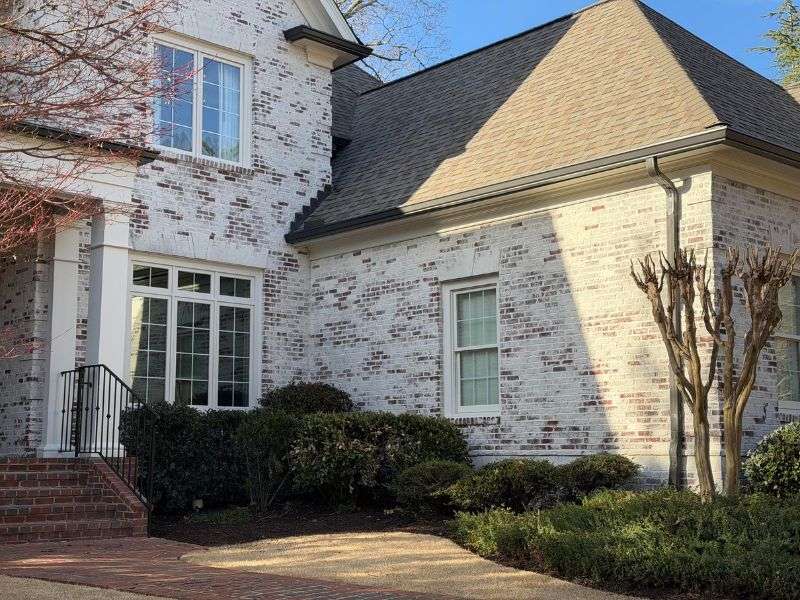
Limewashed brick has become one of the most popular ways to update brick homes, fireplaces, and exterior masonry. From modern farmhouse designs to historic renovations, limewash offers a timeless finish that enhances brick and its architectural features while preserving its natural character.
Unlike standard paint, limewash is a mineral-based coating made from natural limestone that bonds with masonry surfaces. Products like Meoded Lime Wash provide a breathable, authentic finish designed specifically for brick, stone, stucco, and other masonry surfaces.
If you’re considering limewashing brick, here are the most common questions homeowners and designers ask, along with expert answers.
Why Limewash Brick?
When limewash is applied to masonry surfaces, it penetrates into the pores of brick and calcifies to the surface, creating a natural bond through a process called carbonation.
This creates a finish that is:
- Breathable
- Mineral-based
- Naturally mold-resistant
- Low VOC and environmentally friendly
- Able to naturally and beautifully patina
Unlike acrylic paint, which sits on top of brick and creates a sealed film, limewash allows the brick to breathe. Moisture inside masonry can evaporate naturally, reducing the risk of trapped moisture that can damage brick over time.
An authentic limewash such as Meoded Lime Wash is specifically formulated for masonry surfaces including:
- Brick
- Stone
- Stucco
- Cinder Blocks
- Plaster
For unsealed, non-painted brick, a primer like Lime Wash Base Coat is not required since limewash naturally bonds with the porous masonry surface.
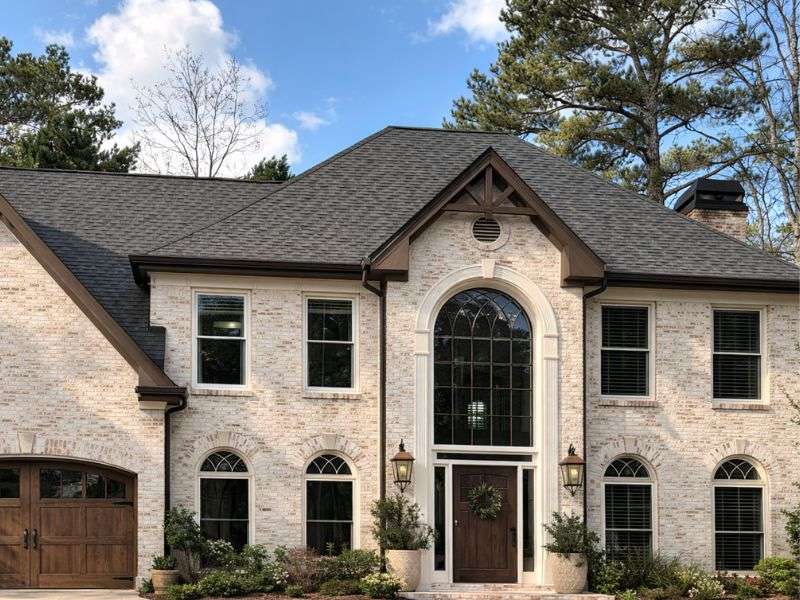
Is Limewashing Brick Better Than Painting Brick?
For most masonry surfaces, limewashing brick is often a better long-term solution than painting.
Painted Brick
Modern masonry paint creates a film layer on the surface. While it can provide solid color, it also:
- Seals the brick
- Traps moisture
- Can cause peeling and chipping over time
- Requires extensive surface preparation
Limewashed Brick
Limewash behaves very differently. Because brick is an absorbing substrate, it allows the finish to penetrate and bond with masonry rather than sealing it.
Benefits include:
- Breathable finish
- Natural matte texture
- Ages beautifully
- No peeling, chipping, flaking, or blistering
- No VOC
- Healthier for interior air quality
- A more sophisticated aesthetic
Another major benefit is durability. Limewash wears naturally instead of failing like paint, giving brick a soft patina over time.
For homeowners wanting a natural, historic, or European-inspired finish, limewash is usually the preferred choice.
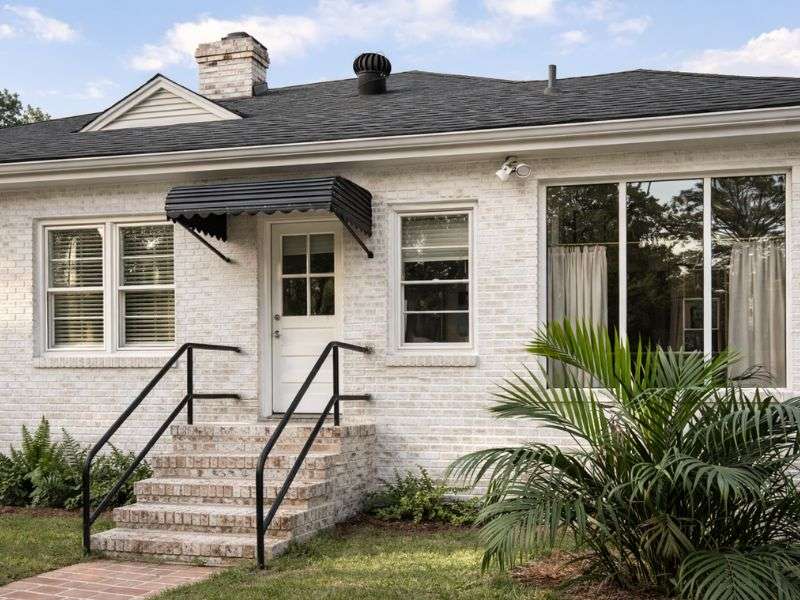
How Long Does Limewash Last on Brick?
When applied correctly to porous masonry, limewash can last 10–20 years or longer.
The longevity depends on factors such as:
- Surface conditions
- Brick porosity
- Weather exposure
- Number of coats applied
Because limewash naturally bonds with brick, it does not peel or blister like traditional paint. Instead, it slowly develops a natural patina over time.
Many historic buildings in Europe have limewashed masonry that has lasted for centuries with periodic reapplication.
If refreshing is ever desired, a new coat can easily be applied without stripping the previous finish.
Does Limewash Damage Brick?
No, authentic limewash is actually one of the safest and most recommended finishes for brick and masonry.
Historically, limewash has been used for centuries to protect buildings because it:
- Allows moisture to escape
- Resists mold and bacteria
- Helps regulate masonry humidity
- Does not trap water inside brick
Because products like Meoded Lime Wash remain breathable, they help preserve the integrity of masonry surfaces rather than damaging them.
This is why limewash is commonly used on and in:
- Historic brick homes
- Stone buildings
- Heritage restoration projects
Meoded Lime Wash is also regularly approved by HOAs across the country for customizable, consistent aesthetics that raise home values.
Can limewash be used on surfaces other than brick?
Authentic limewash is designed for a variety of porous masonry surfaces. In addition to brick, Meoded Lime Wash can also be applied to stone, stucco, and other mineral-based materials.
It is also very popular for interior walls over Lime Wash Base Coat. See the resources above for related blog posts and photo galleries.

Does Limewash Need to Be Sealed?
In most cases, limewash does not need to be sealed.
A limewashed surface is intentionally breathable and matte. Applying most sealers can:
- Reduce breathability
- Darken the color
- Slightly change the natural texture
However, if a sealer is needed, Meoded Stain Shield is a safe recommendation for:
- Backsplashes or areas with constant water exposure
- Areas that need a bit more washability
For most brick homes, fireplaces, and masonry walls, limewash performs best when left unsealed so the brick can continue to breathe.
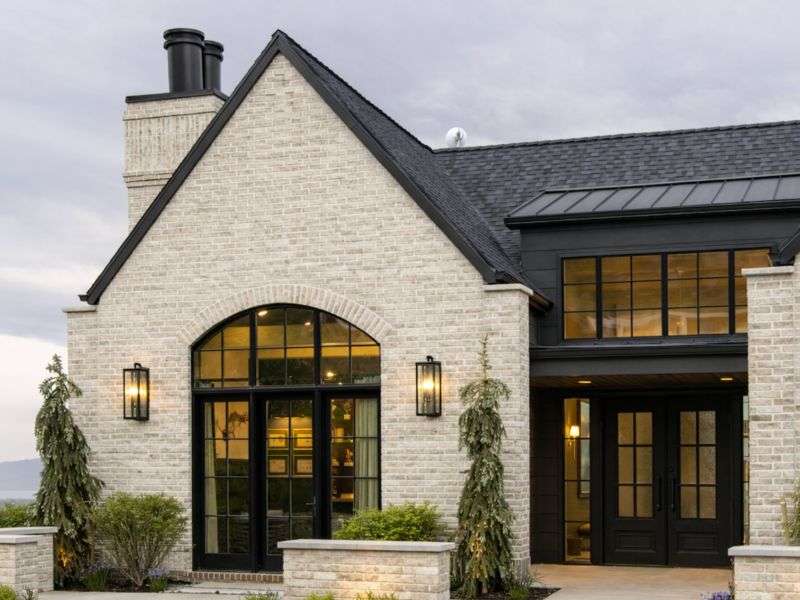
What Colors Can Limewash Brick Be?
Traditionally, limewashed brick is associated with soft neutral tones like:
- Whites
- Creams
- Light grays
- Warm beiges
However, modern limewash products have expanded far beyond these classic shades.
Meoded Lime Wash is available in 88 standard colors and can also be custom tinted to match virtually any design palette.
This means limewashed brick can be created in:
- Modern, trending hues
- Warmer and darker earth tones
- Soft pastels
- Deep, moody colors like charcoal, forest green, or navy blue
Designers now use Meoded Lime Wash to create both:
Solid modern finishes with:
- Subtle color variation
- Uniform coverage
- A modern European aesthetic
Antiqued limewash finishes with:
- Distressed layers
- Soft textures
- Old World character
With Meoded’s modern tinting technology, limewashed brick can achieve almost any color that fits your design vision, not just white. Follow and DM us on Instagram for color recommendations.
Whitewash vs Limewash: What’s the Difference?
Many homeowners confuse whitewashing with limewashing, but they are very different techniques.
Whitewashing Brick
Whitewash is typically made by mixing white acrylic paint with water to create a thinner, semi-transparent coating.
While this can create a washed look initially, it has several drawbacks:
- It still forms a paint film
- It reduces breathability
- It will peel over time
- It can turn pink over red brick
That pink effect happens because the thin paint layer mixes visually with the underlying brick color.
Limewashing Brick
Limewash uses a true mineral-based lime paint that reacts chemically with masonry.
Instead of sitting on top of the surface, it absorbs into the brick, creating a soft matte finish that remains consistent regardless of the underlying brick color.
The result is a more authentic, durable, and breathable finish that ages naturally.
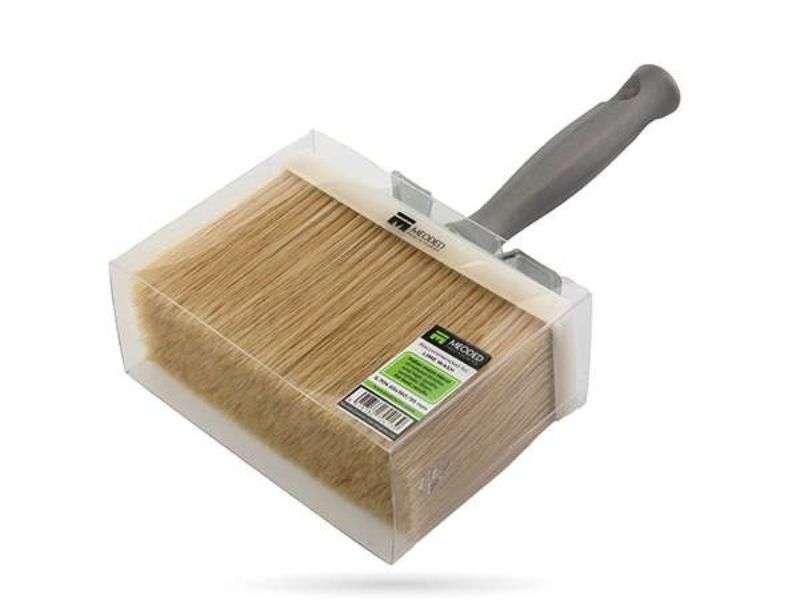
Choosing the Right Brush for Limewashing Brick
The tools used during application can dramatically affect the final appearance of a limewash finish. Because limewash is designed for masonry surfaces, large masonry brushes work best. Professional applicators often use box brushes designed specifically for limewash application.
Recommended options include:
For Exterior Brick Walls
- Meoded Large Box Brush
- Meoded Extra Large Box Brush
These brushes hold more material and allow for quick coverage on large masonry surfaces.
For Brick Fireplaces or Interior Walls
- Meoded Medium Brush
- Meoded Large Brush
These provide better control for smaller or detailed areas.
Alternative Application Methods
For large exterior projects, Meoded Lime Wash can also be:
- Rolled with a masonry roller, then back-brushed to create a more natural finish
- Sprayed using professional equipment; 2 to 3 coats are recommended to create a beautiful, modern flat finish
Many applicators still prefer brushes because they create the most natural movement and texture in the finish.
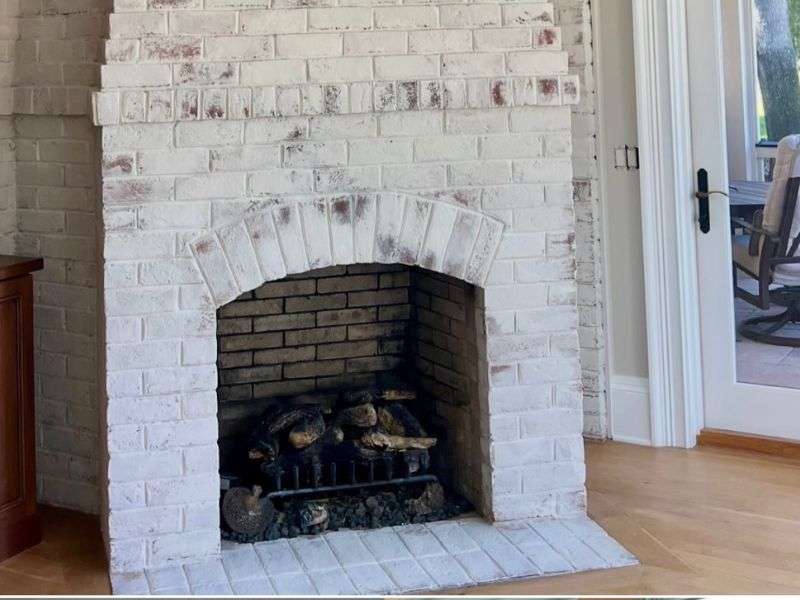
Why Limewashed Brick Continues to Grow in Popularity
Limewashed brick has become a favorite among architects, designers, and homeowners because it offers a rare combination of beauty and performance.
Using Meoded Lime Wash can create:
- A nostalgic European aesthetic
- A breathable finish that protects masonry
- A natural, mold-resistant coating
- A range of customizable color options unique to Meoded
With authentic mineral products like Meoded Lime Wash, it’s now possible to achieve everything from a classic antique limewash look to a clean modern masonry finish.
Whether you’re updating a brick home, transforming a fireplace, or enhancing stone or stucco surfaces, limewash remains one of the most versatile and historically proven finishes available today.
Ready to get started? Choose a Lime Wash color or visit your local Meoded dealer to get help selecting your ideal hue.
Note: Meoded Lime Wash can also be used to create gorgeous color and soft texture on interior walls.
Other Resources:
- What is Limewash Paint? The Complete Guide
- Can Limewash be Applied on Any Surface?
- Limewashed Stone Fireplaces
- Moroccan Clay vs. Limewash: Which DIY Finish Is Right for You?
Limewash Brick FAQs
Q: Can limewash be applied to painted brick?
A: Limewash performs best when applied to porous, unpainted brick and masonry surfaces. Because authentic limewash works by penetrating into the brick and bonding through calcification, it cannot properly adhere to surfaces that are sealed with paint or other non-breathable coatings. If brick has previously been painted, you can sand the paint and apply 1 to 2 coats of Meoded Lime Wash Base Coat first, then apply Meoded Lime Wash to create a beautiful, flat mineral finish. However, this will not restore the brick’s natural breathability unless the original paint is fully removed, which can be costly.
Q: Is limewash safe for interior brick fireplaces and walls?
A: Yes. Limewash is an excellent choice for interior masonry surfaces because it is natural, breathable, and low VOC. Authentic limewash products such as Meoded Lime Wash are made from mineral ingredients that allow brick to release moisture while remaining naturally mold-resistant. This makes limewash a healthy option for interior brick fireplaces, accent walls, and other masonry surfaces. Do not apply inside the firebox.
Q: Does limewash peel or chip like regular paint?
A: No. Limewash behaves very differently from traditional paint. Because it bonds with masonry rather than forming a film on the surface, limewash does not peel, blister, or chip. Instead, it gradually develops a natural patina over time. This aging process is one of the reasons limewashed brick has been used on buildings for centuries.
Q: How long does limewash last on brick?
A: Limewash can last 10 to 20 years or longer on porous brick when applied correctly. Because it bonds naturally with masonry, it does not peel like paint and instead develops a soft natural patina over time.
Q: What tools are needed to apply limewash to brick?
A: Limewash can be applied using brushes or spray equipment depending on the size of the project and the desired aesthetic. For the most natural movement and texture, many professionals prefer using masonry brushes designed for limewash application. Brushes from Meoded Paint & Plaster, such as large box brushes for exterior walls or medium brushes for fireplaces, help work the limewash into the porous brick surface while creating a soft, mineral finish.