

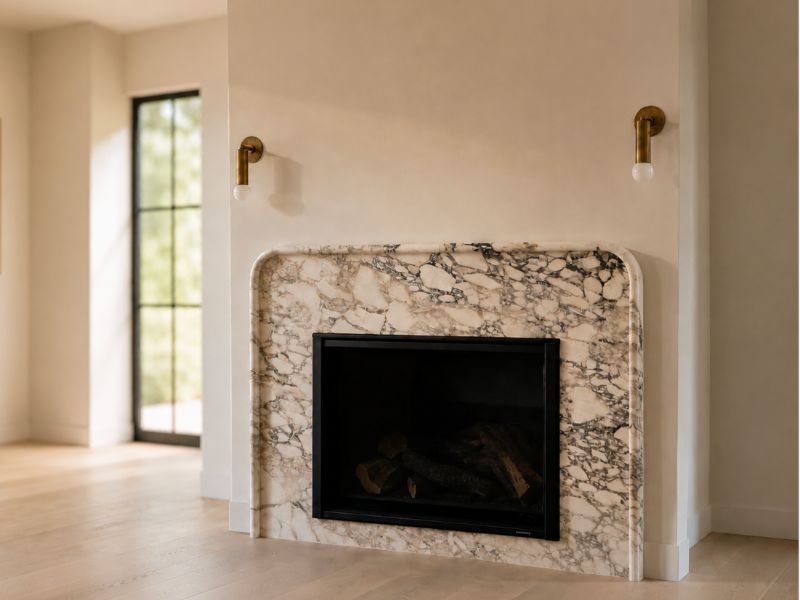
Moroccan Clay Walls are transforming luxury interior design by bringing natural texture, depth, and warmth into modern homes. From powder rooms and spa-inspired bathrooms to fireplaces and statement walls, Moroccan Clay walls have become one of the most searched decorative plaster finishes among homeowners, designers, and architects.
Why Matte Plaster and Natural Plaster Finishes Are Dominating Interior Design
The rise of matte plaster walls and natural plaster interiors is reshaping modern design. Homeowners and designers are moving away from flat paint and embracing dimensional, handcrafted surfaces that feel warm, organic, and calming. One finish leading this movement is Meoded’s Moroccan Clay, a breathable DIY clay plaster that delivers the elegance of Venetian plaster while remaining approachable for both professionals and homeowners.
As consumers search for eco-friendly plaster options and textured wall finishes that feel authentic rather than manufactured, Moroccan Clay has quickly become one of the most talked-about decorative finishes online. Its soft movement, mineral depth, and velvety matte appearance make it ideal for contemporary interiors seeking warmth and character without overwhelming the space.
Unlike standard paint, Moroccan Clay reacts beautifully to changing light throughout the day, creating subtle tonal variation and movement that gives walls a naturally luxurious feel. This combination of texture, breathability, and versatility is one reason Moroccan Clay applications continue going viral across social media and luxury interior design platforms.
Moroccan Clay Walls are becoming one of the most popular luxury interior design trends, appearing in powder rooms, bathrooms, fireplaces, and entire homes. Designers love Moroccan Clay walls for their natural movement, breathable mineral composition, and soft matte plaster appearance that creates warmth and depth throughout a space.
Moroccan Clay Powder Rooms Are the New Viral Textured Wall Finish
One of the biggest interior trends exploding online right now is the Moroccan Clay drenched powder room. Designers are wrapping walls, ceilings, trim, and architectural details in a seamless natural plaster finish that creates immersive, cocoon-like interiors with incredible depth and softness.
This trend has become especially popular because matte plaster surfaces photograph beautifully. The soft movement and velvety finish create luxurious spaces that feel both modern and timeless while adding warmth that traditional paint often lacks.
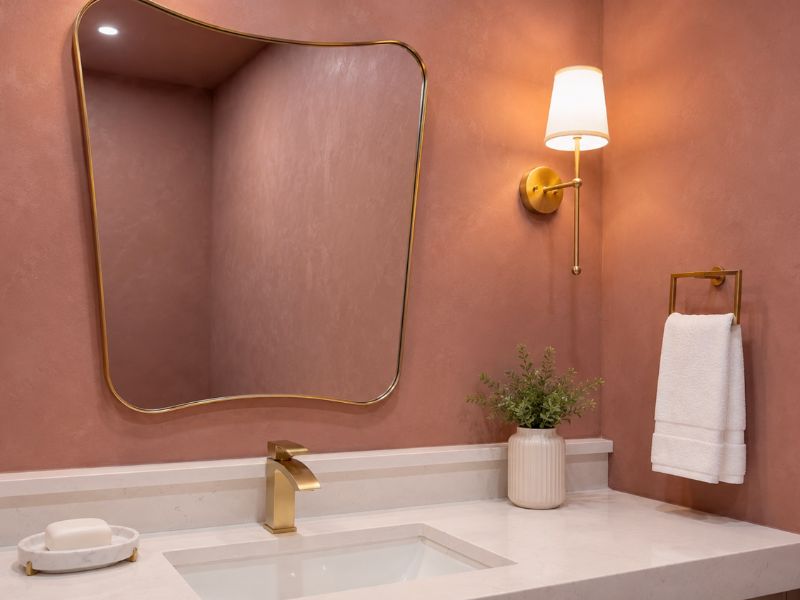
Moroccan Clay is also highly breathable, making it an ideal eco-friendly plaster option for powder rooms and humid environments. Unlike synthetic coatings that can trap moisture, this DIY plaster finish allows walls to maintain a more natural and breathable environment while still delivering dramatic visual impact.
The viral popularity of these spaces comes from their ability to feel elevated without appearing overly polished or sterile. Homeowners are increasingly craving interiors that feel handcrafted, layered, and emotionally connected, which is exactly what Moroccan Clay textured wall finishes provide.
Layering DIY Clay Plaster with Microcement in Bathrooms
Another unexpected application taking over luxury interiors is the combination of DIY clay plaster and microcement in larger bathrooms. Designers are increasingly pairing Moroccan Clay walls and ceilings with sleek microcement showers, tubs, and wet zones to create spa-inspired interiors with layered texture and architectural warmth.
This pairing works beautifully because the smooth minimalism of microcement contrasts against the dimensional softness of a matte plaster finish. Moroccan Clay introduces warmth and movement into spaces that might otherwise feel cold or industrial, helping bathrooms feel relaxing, sophisticated, and naturally luxurious.
This layered approach has become especially popular among designers looking for a natural plaster finish that evokes high-end European interiors without relying entirely on traditional Venetian plaster systems. Moroccan Clay provides softness and texture while microcement contributes durability and modern structure, resulting in bathrooms that feel both timeless and contemporary.
Fireplace Designs Inspired by Matte Plaster and Venetian Plaster Looks
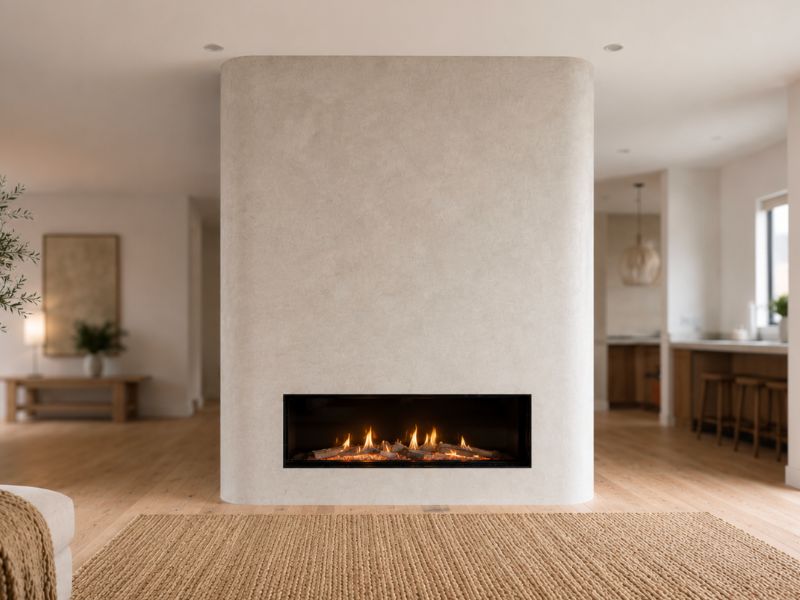
Fireplaces are also becoming one of the most unexpected places for Moroccan Clay applications. Homeowners are replacing flat painted drywall surrounds with textured wall finishes that create architectural depth, warmth, and handcrafted character.
One reason Moroccan Clay fireplaces are going viral is because they can closely resemble high-end Venetian plaster aesthetics at a more affordable price point. When sealed with Stain Shield, Moroccan Clay can mimic the look of a Matte Venetian plaster with a velvety surface and soft natural movement. When sealed with Meoded HydroWax, it can resemble a lightly burnished Venetian plaster finish with subtle sheen and elegant depth.
To the untrained eye, these finishes can appear remarkably similar to much more labor-intensive plaster systems. This ability to recreate luxury matte plaster looks while maintaining easier application is a huge reason Moroccan Clay continues gaining popularity among both designers and DIY creators.
Why Applicators Prefer Moroccan Clay Over Roman Clay
As textured wall finishes continue trending, designers and applicators are frequently comparing Moroccan Clay to Roman Clay. More often than not, professionals prefer Moroccan Clay because it is an authentic DIY clay plaster rather than a gypsum based finish attempting to imitate plaster aesthetics.
That authenticity creates richer movement, more natural depth, and a softer organic appearance that feels elevated in luxury interiors. Moroccan Clay is also an eco-friendly plaster option valued for its breathability and natural mineral composition, making it especially appealing in wellness-inspired homes and moisture-prone spaces.
Beyond aesthetics, Moroccan Clay is often a more cost-effective option. It offers approximately 20% greater coverage compared to Roman Clay, delivering more surface area per container and increasing overall value. Its natural clay composition also makes it more durable over time, with a harder-wearing finish that maintains its character beautifully.
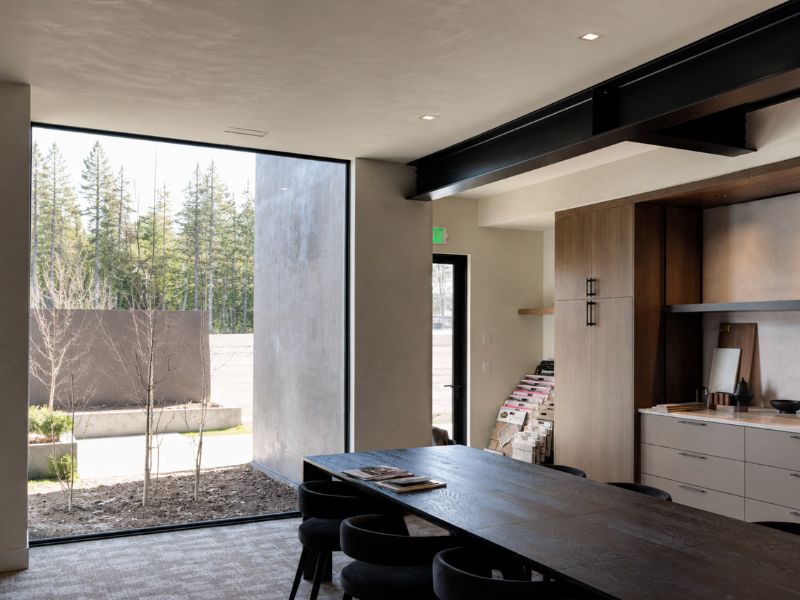
Another major advantage is opacity. Unlike more translucent gypsum-based finishes that may require three, four, or even five coats to achieve full depth and consistency, Moroccan Clay provides excellent coverage in just two coats. This not only reduces material usage, but also saves significant time during application.
Applicators appreciate that Moroccan Clay is highly workable and approachable. Unlike traditional Venetian plaster systems that may require years of polishing experience, Moroccan Clay can be applied using plastic trowels, putty knives, and flexible finishing blades. This makes it accessible for both experienced professionals and homeowners exploring DIY plaster techniques for the first time.
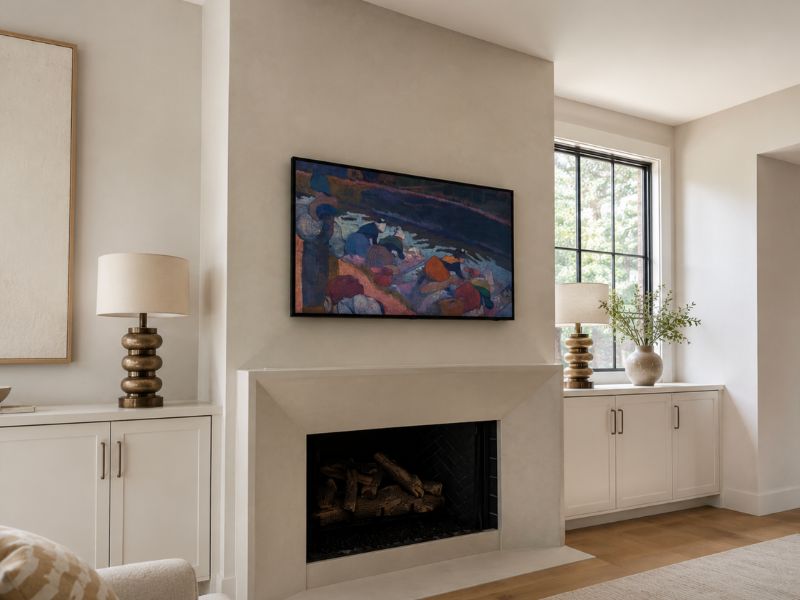
Another reason designers love Moroccan Clay is its finishing versatility. It can remain soft and matte or be lightly burnished and waxed depending on the desired aesthetic. This flexibility allows creators to achieve everything from modern matte plaster walls to softly polished Venetian plaster-inspired interiors.
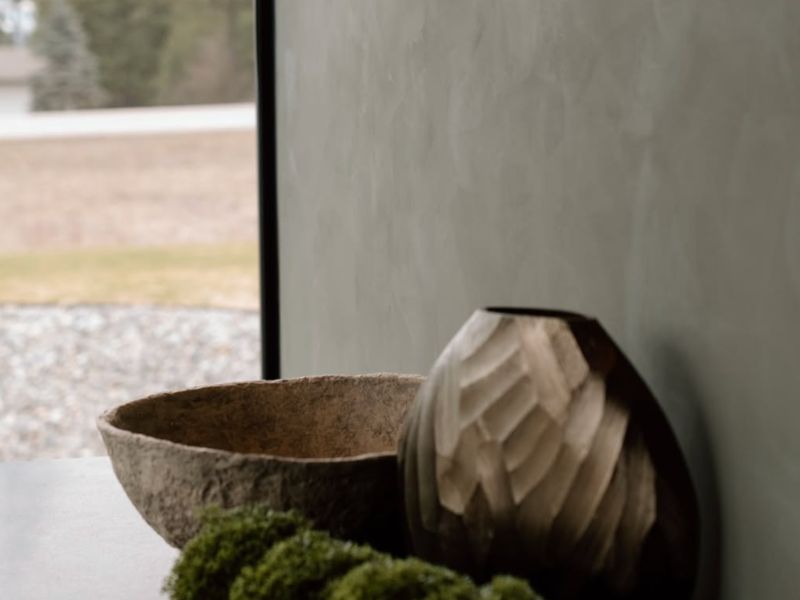
Customization is another major advantage. Meoded Moroccan Clay already comes in 88 curated colors and can also be custom tinted, allowing designers to create highly personalized natural plaster finish interiors tailored to specific architectural styles and palettes.
Why Eco-Friendly Plaster and DIY Plaster Trends Are Growing
The popularity of Moroccan Clay reflects a larger shift happening in interior design. Homeowners no longer want lifeless, flat painted walls. They are searching for eco-friendly plaster finishes, breathable materials, and textured wall finishes that feel authentic, calming, and handcrafted.
DIY plaster products are also growing in popularity because homeowners want luxury aesthetics without extreme labor costs or highly specialized installation requirements. Moroccan Clay offers the perfect balance between artisan beauty and approachable application, making it one of the most accessible ways to achieve a high-end matte plaster aesthetic.
Its breathable mineral composition, soft tonal movement, and customizable finish options allow homeowners and designers to create interiors that feel warm, layered, and naturally luxurious. Whether used in powder rooms, spa bathrooms, fireplaces, bedrooms, or entire homes, Moroccan Clay continues to prove that natural plaster finish interiors are more than a passing trend — they are becoming the future of modern design.
Whether used in powder rooms, bathrooms, fireplaces, or entire homes, Moroccan Clay Walls continue to redefine what homeowners expect from modern textured wall finishes.
Additional Resources
Moroccan Clay vs Paint: The Organic Breathable Choice for Textured Walls
Moroccan Clay: The Beginner-Friendly Matte DIY Plaster You’ve Been Waiting For
Moroccan Clay vs Lime Wash: DIY Wall Finishes Compared
Venetian Plaster vs Moroccan Clay: 7 Powerful Differences Between Gloss & Matte Finishes
Moroccan Clay vs Concretta — Which Textured Finish to Choose
Top 5 FAQs About DIY Clay Plaster and Moroccan Clay
Q: Is Moroccan Clay beginner friendly for DIY plaster projects?
A: Yes. Moroccan Clay is considered one of the most approachable DIY plaster products because it is forgiving and easier to work with than traditional Venetian plaster systems. It can be applied using plastic trowels, putty knives, or flexible finishing blades while still creating elevated matte plaster and natural plaster finish walls with beautiful movement and depth.
Q: Can Moroccan Clay be used in bathrooms and powder rooms?
A: Absolutely. Moroccan Clay is a breathable and eco-friendly plaster option that performs beautifully in bathrooms and powder rooms when properly sealed. Many designers use Moroccan Clay on walls and ceilings while pairing it with microcement in showers or wet zones to create layered spa-inspired interiors with textured wall finishes.
Q: Does Moroccan Clay look like Venetian plaster?
A: Yes. Moroccan Clay can closely resemble Venetian plaster depending on the sealer and finishing technique used. When sealed with Stain Shield, it can mimic the soft matte look of a Matte Venetian plaster. When finished with HydroWax, it can resemble a lightly burnished Venetian plaster finish with subtle sheen and elegant mineral movement.
Q: Is Moroccan Clay durable for everyday living?
A: When properly applied and sealed, Moroccan Clay is highly durable for both residential and commercial interiors. Its breathable mineral composition helps maintain the integrity and beauty of the textured wall finish while offering a long-lasting natural plaster finish suitable for modern homes, hospitality spaces, and high-end interiors.
Q: Can Moroccan Clay be custom colored?
A: Yes. Meoded’s Moroccan Clay is available in 88 curated colors and can also be custom tinted to create personalized matte plaster and DIY clay plaster finishes tailored to individual design styles. This flexibility makes it especially popular among interior designers, decorative applicators, and homeowners seeking one-of-a-kind textured wall finishes.