

Ultimate Metallic Paint Guide: Everything You Need to Know
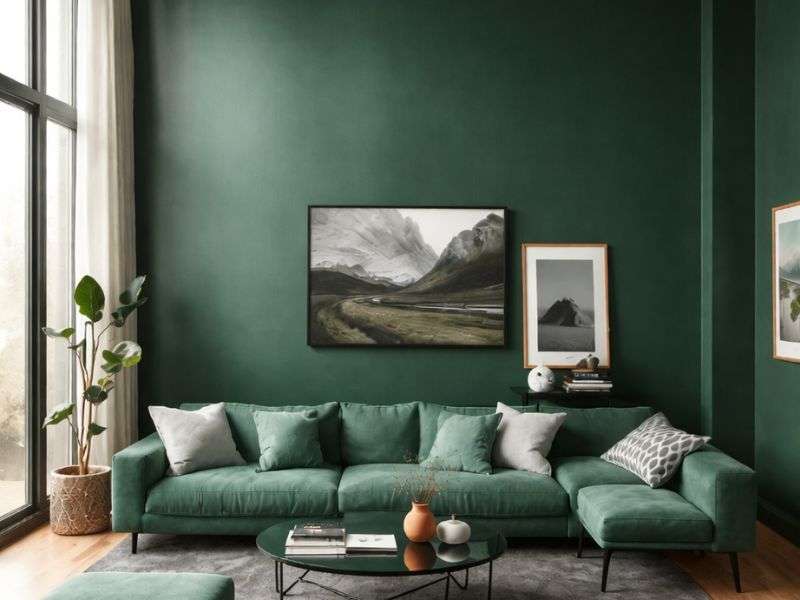
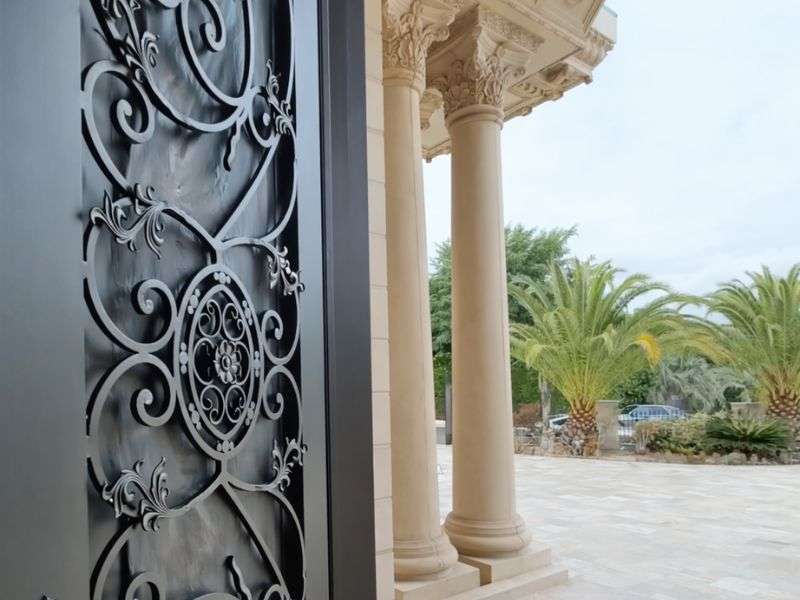
Metallic paint is one of the most versatile and sophisticated finishes used in both residential and commercial design. From full-room transformations to architectural details like fireplace mantels, trim, ceilings, gates, metal beams, and accent walls, metallic finishes add depth and movement that standard paints simply cannot achieve. On exteriors, they create a refined finish on ironwork, gates, doors, columns, and statement facades.
What makes Meoded Sapphire Metallic Paint stand out is its water-based, low-VOC formula and mica-based composition suitable for interior and exterior applications. The metallic mica powders create a sophisticated, subtle shimmer preferred by designers. It can also be custom tinted, making it ideal for residential and commercial projects that require curated or brand-specific color palettes.
If you’ve been searching for answers about metallic paint, here are the top five most frequently asked questions answered in a detail-packed metallic paint application guide.
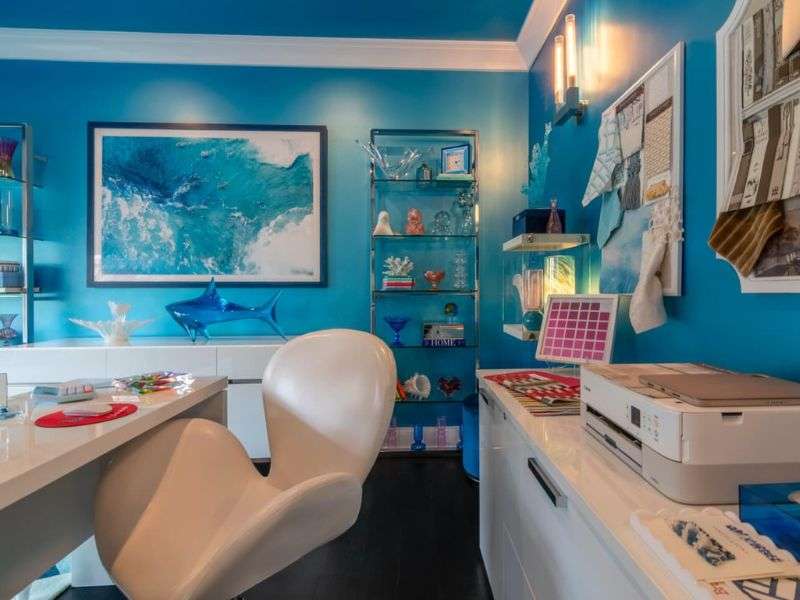
1. What Is Metallic Paint and How Does It Work?
Sapphire Metallic paint is a decorative paint formulated with fine metallic mica powders that reflect light, giving surfaces an elegant, metal-like shimmer. Unlike flat or satin paints, metallic finishes are dynamic and shift subtly in tone and intensity depending on lighting conditions and viewing angle.
A common misconception is that all metallic paints are completely transparent. In reality, most metallic finishes are translucent to semi-opaque, and their level of coverage depends on the type of metallic powders used.
- Mica-based metallic paints tend to be more opaque because the fine mineral particles provide better body and coverage.
- Aluminum-based metallic paints are typically more transparent and provide lighter coverage, often requiring additional coats to build depth and consistency.
Because metallic paints interact with light rather than simply absorbing it, several factors influence the final appearance:
- Surface smoothness affects reflectivity and uniformity.
- Lighting dramatically impacts how the shimmer is perceived.
Metallic paint is designed to mimic the movement and reflective qualities of real metal, adding dimension and sophistication to walls, architectural details, and feature areas.
Meoded Sapphire Metallic is engineered to provide refined shimmer while maintaining durability for both interior and exterior applications. Its custom tinting capability allows it to be tailored to residential palettes, hospitality branding, retail environments, and large-scale commercial installations.
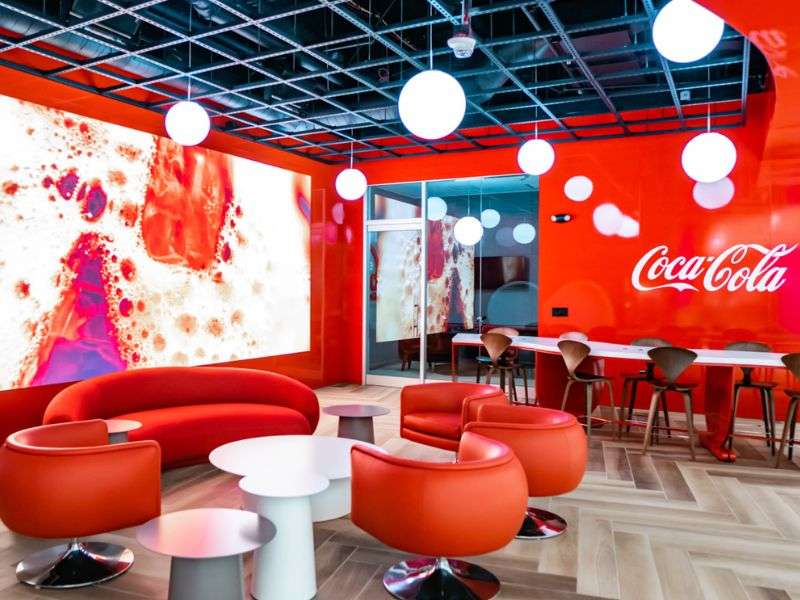
2. How Do You Apply Metallic Paint Without Streaks?
One of the most searched questions about metallic paint is how to avoid streaks or roller marks. Because metallic finishes reflect light, they highlight inconsistencies more than traditional paint.
Proper Application for Metallic Paint:
- Ensure drywall is finished to Level 4 minimum (Level 5 preferred).
- Use the proper primer depending on the substrate.
- Apply two coats of metallic paint.
- Maintain a consistent application pattern.
- Work in controlled sections while maintaining a wet edge.
- For the most uniform finish, spraying is the best method to avoid roller or brush marks.
Why Level 4 or Level 5 Drywall Matters
Metallic finishes amplify surface imperfections.
- Level 4 drywall provides smooth, properly finished seams.
- Level 5 drywall includes a skim coat for ultra-smooth uniformity, ideal for metallic paint applications.
For luxury residential and commercial projects, Level 5 is strongly recommended.
Two-Coat Requirement
To achieve an even, uniform shimmer and full metallic depth, two coats are recommended. The first coat establishes the base and coverage, while the second coat builds body and enhances reflective properties for a rich, consistent finish.
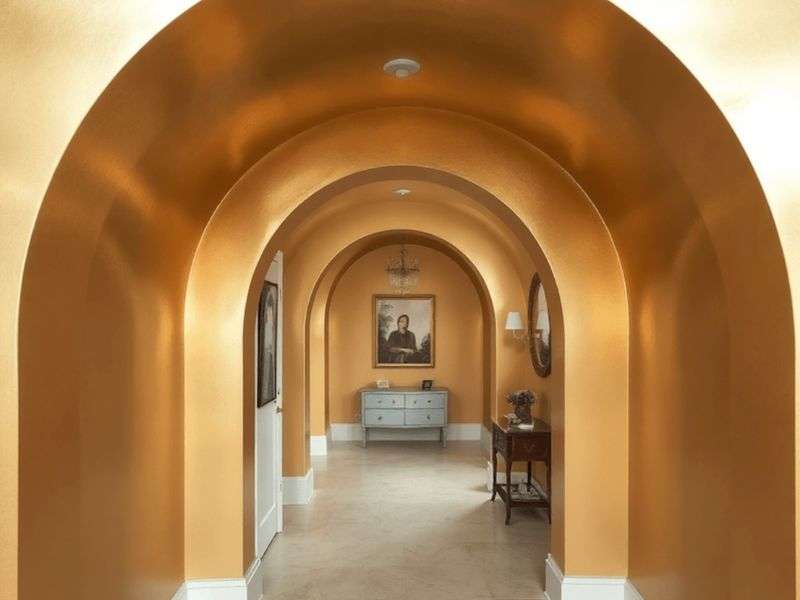
3. Where Can You Use Metallic Paint?
Metallic paint is far more versatile than many people realize.
Ideal Interior Applications:
- Entire rooms for immersive shimmer
- Accent walls
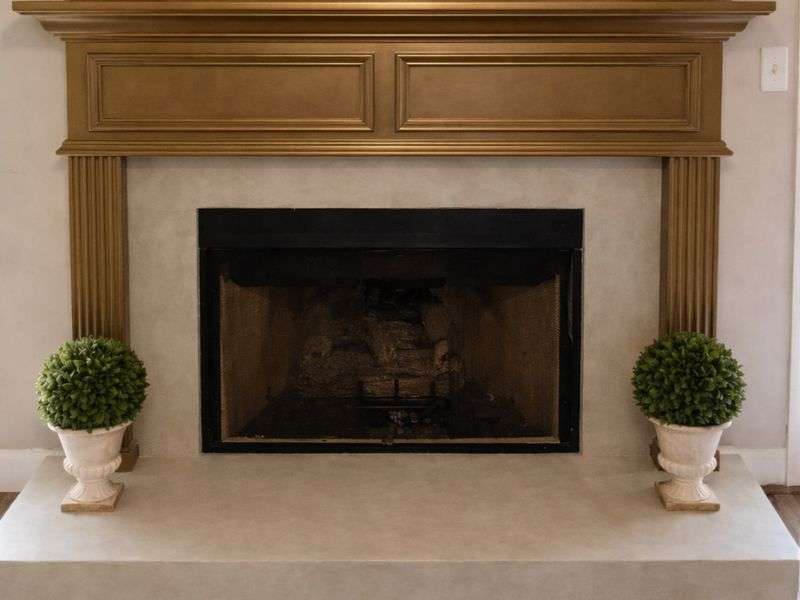
- Fireplace mantels
- Crown molding and trim
- Ceilings and tray ceilings
- Columns and niches
- Commercial feature walls
- Retail and hospitality interiors
- Cabinetry and furniture
- Metal beams
Exterior Applications:
- Front doors
- Iron gates and fencing
- Architectural metalwork
- Columns and entryways
- Decorative exterior trim
Its ability to be custom tinted makes it especially valuable for brand-forward projects, while giving designers, homeowners, and contractors flexibility to achieve exact color vision.
4. Do You Need Primer or Special Prep Before Metallic Paint?
Yes. Metallic paint should always be applied over the recommended primer based on the substrate. New drywall requires a PVA primer, previously painted surfaces should use a multipurpose primer, and wood or MDF should be primed with the appropriate bonding primer. Proper priming ensures even coverage, strong adhesion, and a smooth, consistent metallic finish.
Metallic paint does not conceal imperfections. Instead, it enhances them due to its reflective nature.
Surface Prep Checklist:
- Repair all dents, seams, and surface flaws.
- Sand smooth.
- Prime (tinting the primer to a similar color is recommended).
- Apply two coats of metallic paint.
Proper prep is what separates a high-end, designer finish from an uneven result.
5. What Colors and Finishes Are Most Popular in Metallic Paint?
Search trends show consistent interest in:
- Champagne gold
- Warm bronze
- White pearl
- Silver and platinum
- Custom-tinted neutrals
- Deep jewel-toned metallic overlays
One of the major advantages of Meoded Sapphire Metallic is its custom tint capability. This allows designers and contractors to adjust tones for:
- Warm or cool interiors
- Corporate branding palettes
- Hospitality design themes
- Coordinated exterior finishes
Bonus: What Is the Meoded Sapphire Metallic Sahara Effect?
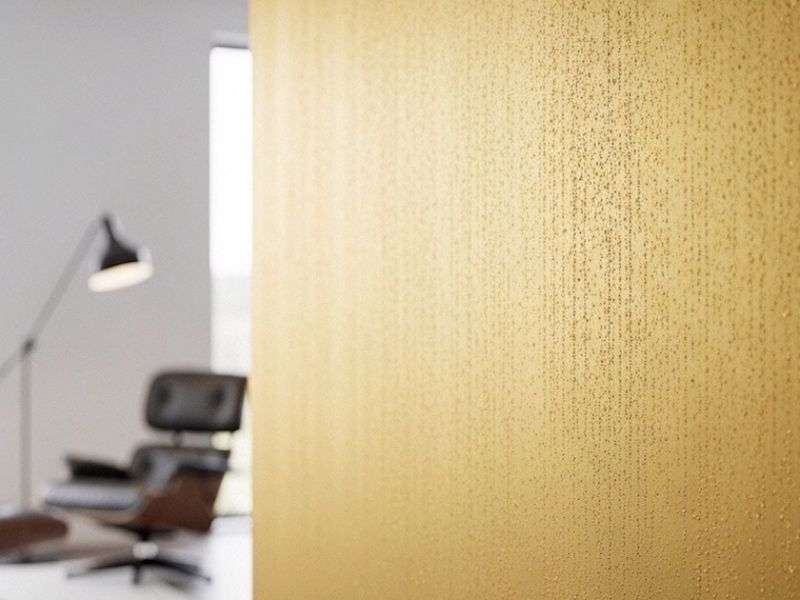
The Sahara Effect combines Meoded Sapphire Metallic paint with clear glass beads in varying sizes to create unique textured wall finishes.
The glass beads are embedded into the wet metallic coating, creating a multi-dimensional surface that refracts light in different directions.
Benefits of the Sahara Effect:
- Adds tactile texture
- Enhances light reflection
- Allows for simple metallic paint brush applications
- Creates custom, one-of-a-kind finishes
- Works beautifully in luxury residential and commercial spaces
This technique is particularly impactful for:
- Statement walls
- Hospitality design
- High-end retail environments
- Reception areas
- Feature fireplaces
The varying bead sizes produce a layered, wallpaper-inspired texture that transforms metallic paint from a sophisticated shimmer to a sculptural surface.
- #5: Larger beads for a bolder, more pronounced texture.
- #10: Smaller beads for a subtler, minimally textured surface.
Metallic paint is not just a color choice, it’s a design strategy. When using Meoded Sapphire Metallic Paint, remember:
- All metallic paints are transparent, but mica-based metallic paints are more opaque.
- Use a proper primer (tinting the primer to a similar color is recommended).
- Level 4 drywall minimum; Level 5 preferred.
- Two coats are required.
- Surface prep determines the final result.
For residential and commercial projects alike, Meoded Sapphire Metallic delivers a customizable, high-performance finish that stands out beautifully.
Additional Metallic Paint FAQs
Q: Does metallic paint darken a room?
A: Metallic paint can either brighten or darken a space depending on the color chosen and lighting. Lighter metallics like pearl or champagne reflect light and can enhance brightness, while darker metallics can create a dramatic, moodier effect.
Q: Is metallic paint durable enough for high-traffic areas?
A: Yes. When properly applied and cured, metallic paint is extremely durable. For high-traffic residential or commercial areas, a compatible topcoat such as Cristallo Clear by Meoded, may be recommended to increase washability and scuff resistance.
Q: Can metallic paint be applied over textured walls?
A: It can, but it will highlight texture significantly. Because metallic finishes reflect light, heavy orange peel or knockdown textures may appear exaggerated. For best results, smoother surfaces (Level 4 or Level 5 finish) are preferred. Metallic Paint is a perfect topcoat option for decorative plaster textures.
Q: How does lighting affect metallic paint?
A: Lighting dramatically impacts metallic finishes. Natural light, warm LED, cool LED, and directional lighting will all change how shimmer appears. This is why sampling in the actual space before full application is highly recommended.
Q: Can metallic paint be used on materials other than drywall?
A: Yes. Metallic paint can be applied to properly prepared surfaces including previously painted surfaces, wood, metal, furniture, exterior architectural elements, and MDF. Surface preparation and appropriate priming are essential for adhesion and durability.
Other Resources You May Like:
- Suede Revival: Use Meoded Velvet Paint to Create a Luxurious Finish
- Sapphire Metallic and Sahara Effect Gallery
- View the 62 Curated Metallic Paint Colors Available Online